
SPRING TREE CARE CHECKLIST: MARCH TASK FOR HEALTHIER TRESS
Prepare your trees for spring with this March checklist for Vancouver, WA homeowners. Expert guidance on inspections, pruning, pest prevention, and more from Ohana Tree Care.
March marks the transition from dormancy to active growth for trees throughout Clark County. As temperatures rise and daylight lengthens, your trees are waking up and preparing for their most productive season. What you do now—during these critical weeks before buds break and leaves emerge—directly impacts how well your trees perform all year.
At Ohana Tree Care, our ISA-certified arborists help Vancouver homeowners prepare their landscapes for healthy, vibrant spring growth. This comprehensive checklist covers everything you should inspect, address, and plan as your trees emerge from winter dormancy.
Why march tree care matters
Spring is when trees shift from survival mode to growth mode. Energy stored in root systems during winter begins flowing upward to fuel new leaves, flowers, and branch extension. Trees emerging healthy and strong handle summer drought, resist pest attacks, and recover from storm damage far better than stressed trees.
March offers your final opportunity to address winter damage, complete dormant pruning, and implement preventive treatments before the growing season begins. Once leaves emerge, many issues become harder to spot and some treatments become less effective.
The investment you make now pays dividends through fall.
Week 1-2: Comprehensive Tree Inspection
Assess Winter Damage
Pacific Northwest winters stress trees through wind events, ice loading, saturated soils, and occasional freezing temperatures. Before spring growth masks damage, walk your property and carefully examine each significant tree.
Look for storm damage indicators: Start with the canopy and work down. Broken branches may hang in the crown, caught by neighboring limbs but ready to fall during the next wind event. Cracked branches show splits along their length or at attachment points. Some damage only becomes apparent when you circle the tree and view it from multiple angles.
Check for structural changes: Compare each tree to your memory of its previous form. New lean suggests root failure or soil movement during saturated winter conditions. Cracks in major branch unions may have developed or widened. Bark splitting sometimes indicates frost damage or internal decay.
Examine trunk and root zone: Look for new cavities, fungal growth, or bark damage at the trunk base. Mushrooms or conks growing from roots or lower trunk often indicate internal decay. Check that the root flare remains visible and hasn’t been buried by soil movement or mulch accumulation.
Document concerns with photographs. This record helps track changes over time and provides valuable information for professional consultations.
Evaluate Overall Tree Health
Beyond specific damage, assess each tree’s general condition
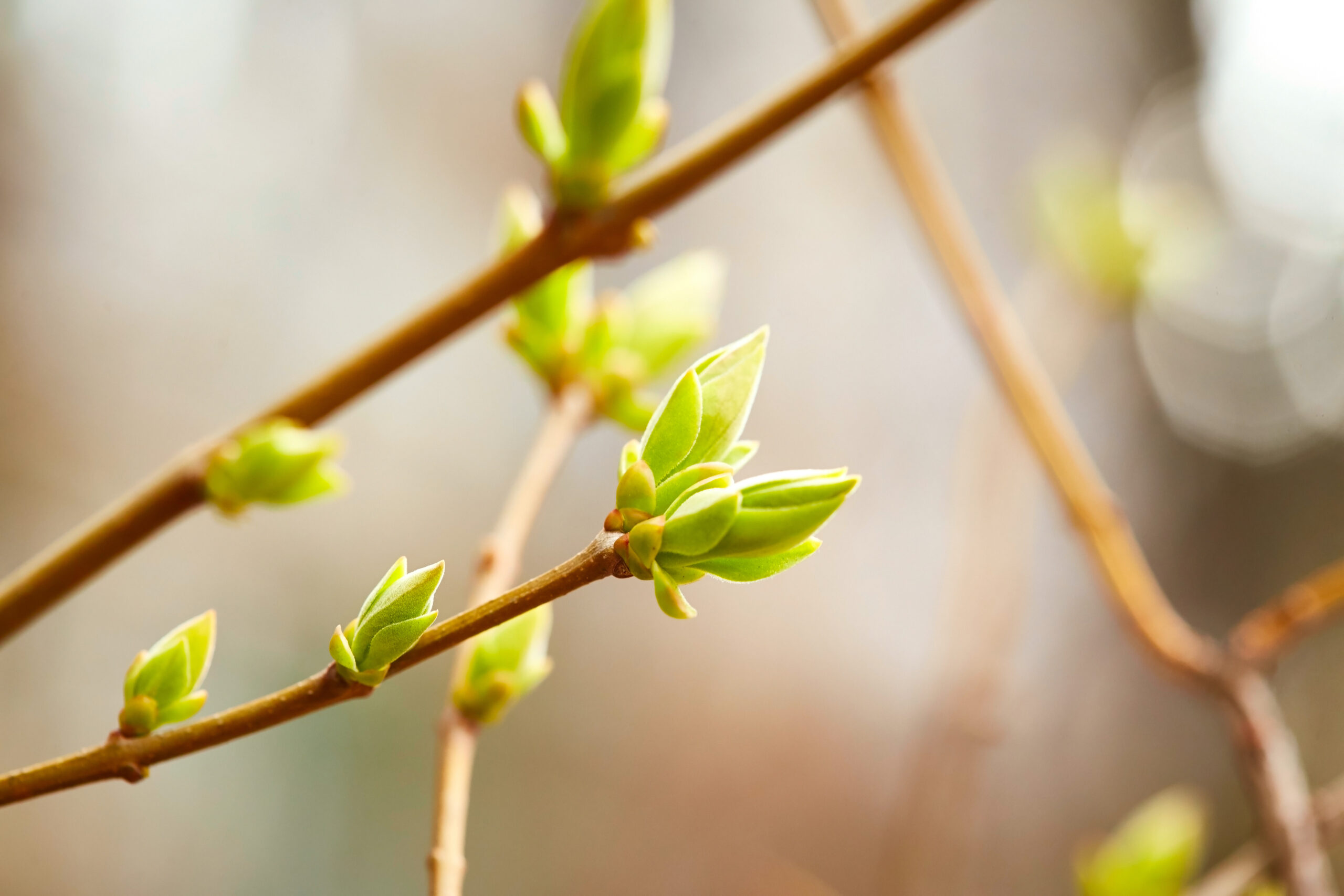
Bud development: Healthy deciduous trees show swelling buds preparing to open. Compare bud development on your trees to similar species in the neighborhood. Delayed or absent bud development may indicate branch dieback or whole-tree decline.
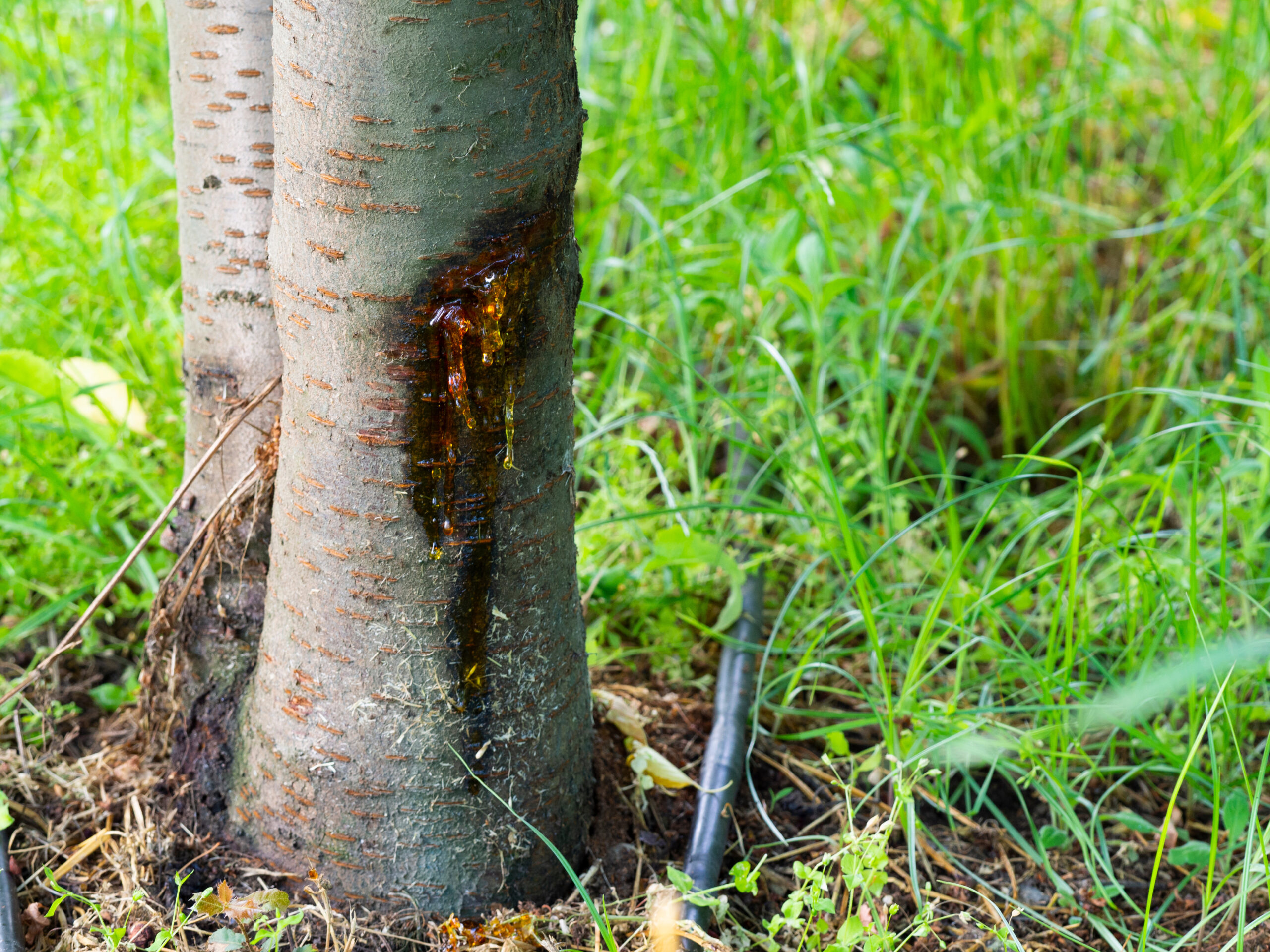
Bark condition: Healthy bark appears consistent in color and texture. Unusual discoloration, peeling in unexpected patterns, or sunken areas (cankers) warrant closer attention.
Branch structure: Note any branches growing inward toward the trunk, crossing and rubbing against each other, or competing with the central leader for dominance.
Week 2-3: Address Identified Issues
Complete Dormant Season Pruning
March represents your last window for dormant pruning before spring growth begins. Pruning now allows trees to seal wounds quickly once growth resumes while avoiding the pest and disease pressure that increases with warmer temperatures.
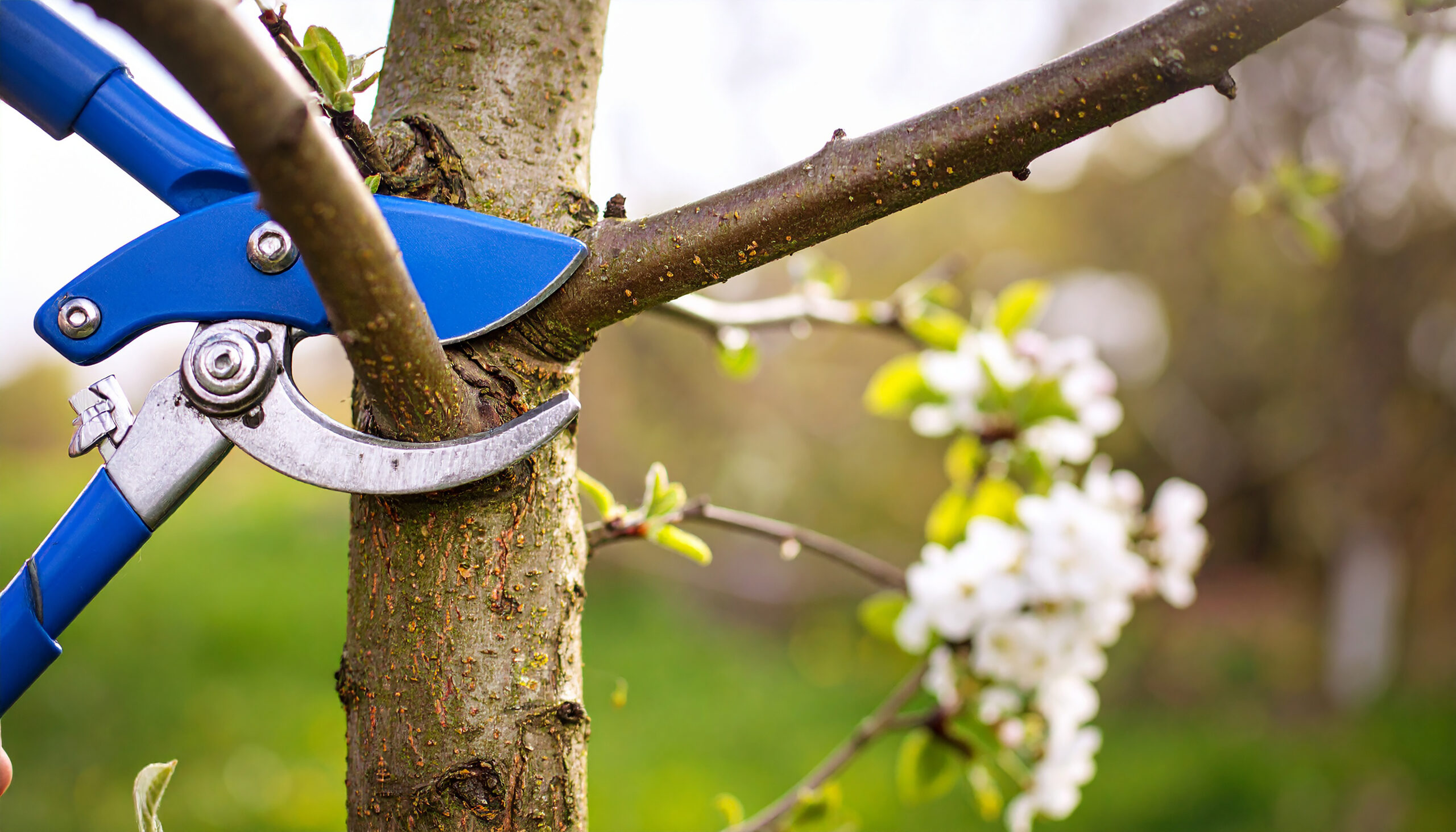
Priority pruning targets: Dead wood removal tops the list. Dead branches serve no purpose and pose falling hazards. Remove them regardless of season, but completing this work now prevents spring storms from turning dead wood into projectiles. Damaged branches from winter storms need clean cuts to promote proper healing. Jagged breaks left by storm damage invite decay and disease. Proper pruning cuts just outside the branch collar allow trees to compartmentalize wounds effectively. Crossing branches create wound points where bark rubs away, opening entry points for pathogens. Remove the weaker or less well-positioned branch at each crossing point. Water sprouts and suckers divert energy from productive growth. These vigorous vertical shoots clutter the canopy without contributing to tree structure or fruit production.
Timing considerations: Early-spring bloomers like magnolias, flowering cherries, and forsythias set flower buds the previous year. Pruning now removes this year’s blooms. If possible, wait until after flowering to prune these species—unless safety concerns demand immediate attention. Most other deciduous trees benefit from March pruning. Complete the work before buds break to minimize stress and maximize healing time.
Schedule Professional Assessment
Some issues identified during inspection require professional evaluation: Structural concerns including cracks, significant lean, or co-dominant stems with included bark need expert assessment to determine risk level and appropriate response. Large or mature trees benefit from professional inspection every few years. Hazards in the upper canopy often aren’t visible from the ground, and some structural defects require trained eyes to identify. Disease symptoms need accurate diagnosis before treatment. Misidentifying a problem leads to ineffective treatment while the actual issue worsens. Renovation pruning of neglected or storm-damaged trees requires strategic multi-year planning to restore health without shocking the tree.
Week 3-4: Preventive Care and Preparation
Refresh Mulch
Proper mulching provides tremendous benefits: moisture retention, soil temperature moderation, weed suppression, and gradual nutrient release as organic matter decomposes.
March is ideal for mulch maintenance: Check existing depth. Mulch should measure 2-4 inches deep. Add material where it has thinned or decomposed.
Clear trunk contact. Pull mulch back from direct trunk contact. The root flare should remain visible. Mulch piled against trunks creates moisture conditions promoting bark decay and provides cover for bark-damaging rodents. Extend coverage. Mulch rings ideally extend to the drip line (outer edge of the canopy), though any mulched area benefits the tree. Wider coverage protects more roots and reduces competition from grass. Use quality materials. Aged wood chips, shredded bark, or leaf mulch work well. Avoid rubber mulch, dyed products, or fresh wood chips that may temporarily rob nitrogen from soil as they decompose. Address Soil and Root Zone Issues Healthy roots support healthy trees.
March soil care sets the foundation for the growing season: Evaluate compaction. Areas with foot traffic, parking, or equipment storage may have compacted soil limiting root growth and water infiltration. Professional aeration helps severely compacted zones. Test soil if problems observed. Trees showing unexplained decline, chlorosis (yellowing leaves), or poor growth may suffer from nutrient deficiencies or pH imbalances. Soil testing reveals specific issues and guides appropriate amendments. Plan for watering. Vancouver’s dry summers stress trees adapted to our rainy winters. Ensure irrigation systems function properly. Identify trees needing supplemental watering—especially young trees and recent plantings.
Implement Pest and Disease Prevention
Spring emergence brings pests and pathogens along with welcome warmth. Preventive action now reduces problems throughout the growing season.
Clean up disease reservoirs. Fallen leaves and fruit mummies (dried, shriveled fruit) harbor overwintering disease spores. Remove this debris from around tree bases, especially for trees with disease history. Apply dormant treatments if appropriate. Dormant oil sprays smother overwintering insect eggs and larvae on bark surfaces. Copper fungicide sprays help prevent bacterial and fungal diseases. Timing matters—these treatments work best before bud break and must be applied during dry weather when temperatures remain above freezing. Monitor for early pest activity. Aphids, scale insects, and other pests become active as temperatures warm. Early detection allows intervention before populations explode. Check new growth, branch undersides, and bark crevices for signs of infestation.
Ongoing march tasks

Plan New Plantings
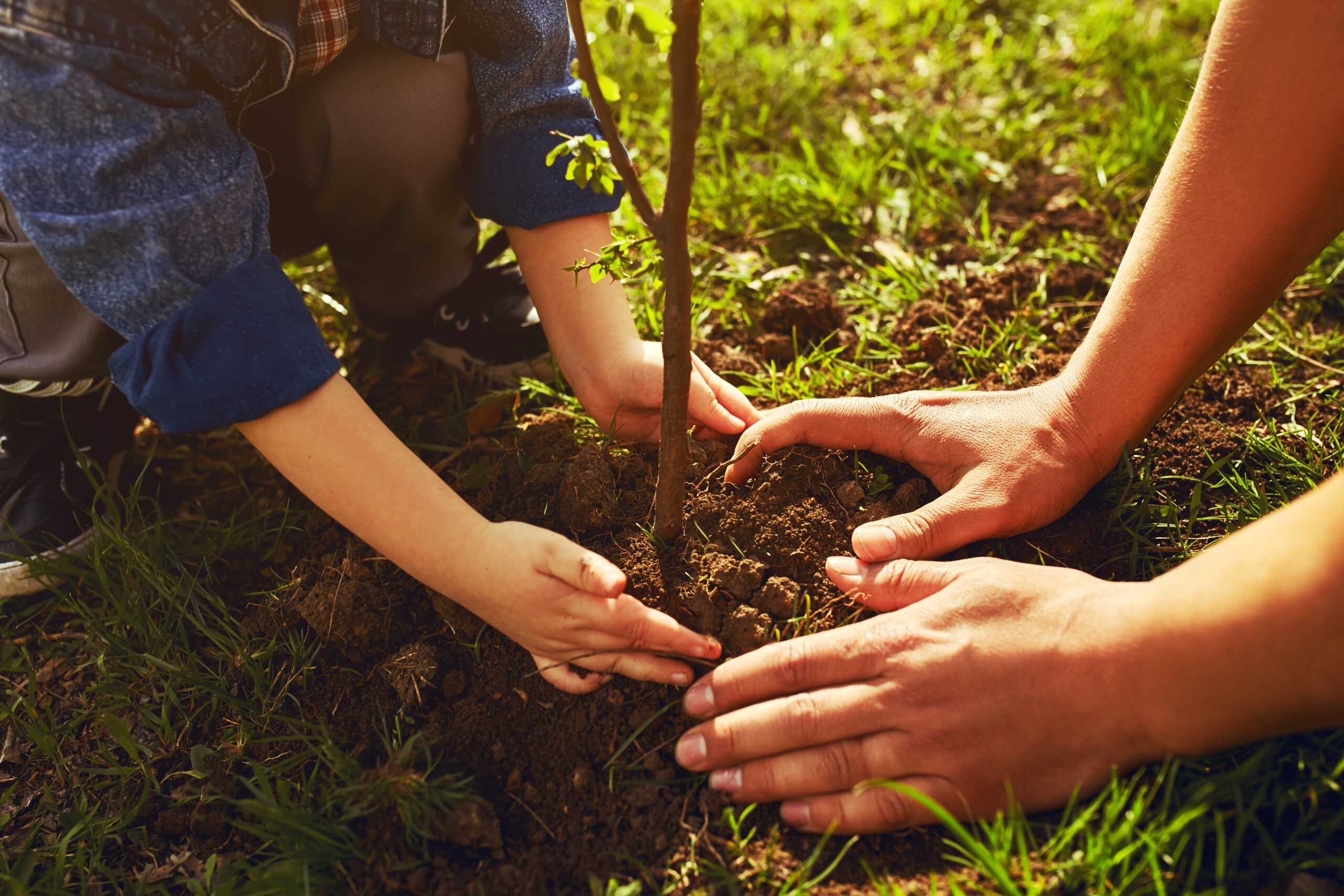
Late winter through early spring offers excellent planting conditions in Clark County. Soil temperatures rise enough to support root growth while spring rains provide natural irrigation.
If you’re planning new tree installations:
Select appropriate species. Match trees to site conditions including sun exposure, soil type, drainage, and available space at maturity. Native species often establish more readily and support local wildlife.
Prepare planting locations. Clear competing vegetation, amend soil if needed, and ensure proper drainage.
Order early. Popular varieties sell out quickly at nurseries. Bare-root stock—often the best value for new plantings—has limited availability windows.
Address Hazards Before Storms
March brings transitional weather including wind events, heavy rain, and occasional late-winter storms. Trees weakened during winter may fail under spring storm stress.
Remove identified hazards. Dead trees, severely compromised trees, and major dead branches should be addressed before spring storms test them.
Schedule pending removals. If professional assessment identified trees requiring removal, complete the work during favorable weather windows.
Consider preventive pruning. Reducing wind resistance through crown thinning helps vulnerable trees survive spring storms.

Document Your Landscape
March provides excellent conditions for photographing your trees while structure remains visible but before full leaf-out. These baseline images prove invaluable for tracking changes over time and documenting insurance claims if storm damage occurs. Photograph each significant tree from multiple angles. Include close-ups of any areas of concern.
When to call a professional
Some spring tasks require professional expertise!
Hazard assessment:
Evaluating structural stability and failure risk requires trained observation and sometimes specialized equipment.
Large Tree Pruning:
Work requiring climbing, bucket trucks, or significant removals demands professional skills, equipment, and insurance coverage.
Pest and disease diagnosis:
Identifying specific problems and prescribing effective treatment requires arboricultural knowledge.
Major removals:
Taking down hazardous or unwanted trees, especially near structures, requires professional techniques and equipment.
Comprehensive property assessment:
Professional evaluation of all trees provides prioritized recommendations and long-term planning guidance.
Your March Tree Care Partner
Schedule your spring tree care:
Call or text: (360) 901-2950
Email: Ohanatreecarellc@gmail.com
Ohana Tree Care helps Vancouver homeowners prepare their trees for healthy, beautiful spring growth. Our ISA-certified arborists provide assessment, pruning, hazard evaluation, and complete tree care services tailored to your property’s needs.
Whether you need a single concerning tree evaluated or comprehensive care for your entire landscape, we bring expertise, proper equipment, and genuine care for your trees’ long-term health.
Spring is here. Are your trees ready?
Spring Tree Care FAQs
When should I complete dormant pruning?
Finish dormant pruning before buds break—typically by mid-March in Vancouver. Once leaves begin emerging, pruning becomes more stressful for trees and some treatments become less effective.
How do I know if my tree has winter damage?
Look for cracked or broken branches, new lean, hanging limbs caught in the canopy, bark damage, or delayed bud development compared to similar healthy trees nearby.
Should I fertilize my trees in spring?
Most established trees don’t require fertilization. If trees showed nutrient deficiency symptoms last year, soil testing identifies specific needs. Over-fertilizing often causes more problems than it solves.
When should I water trees in spring?
Spring rainfall usually provides adequate moisture. Begin monitoring soil moisture as weather warms and rain decreases. Young trees and recent plantings need consistent moisture throughout their first several growing seasons.
How much mulch should I apply?
Maintain 2-4 inches of mulch extending as far toward the drip line as practical. Keep mulch pulled back from direct trunk contact—the root flare should remain visible.
What trees shouldn’t be pruned in March?
Early-spring bloomers (magnolia, flowering cherry, forsythia, redbud) set flower buds the previous year. Pruning now removes this year’s blooms. Wait until after flowering unless safety demands immediate attention.
About Ohana Tree Care LLC
Ohana Tree Care LLC is a family-owned and operated tree care company serving Vancouver, WA and the surrounding metro area. With over 15 years of professional experience and ISA-certified arborists on staff, we specialize in hazardous tree assessment, emergency tree removal, pruning, and complete tree care services for residential, commercial, and HOA-managed properties. We treat every customer like family—because in Ohana, nobody gets left behind.
