How to Hire a Tree Service in Vancouver, WA: What to Look For and Questions to Ask

Learn how to hire a reputable tree service in Vancouver, WA. Avoid scams with this guide to credentials, insurance, questions to ask, and red flags to watch for.

Hiring a tree service is one of the most important decisions you’ll make for your property. The right company protects your trees, your home, and your family. The wrong choice can result in damaged trees, property destruction, personal injury, or financial liability that falls on you. Unfortunately, the tree care industry attracts both highly skilled professionals and unqualified operators who cause more harm than good. Knowing how to tell the difference protects your investment and ensures your trees receive proper care.
At Ohana Tree Care, we believe informed homeowners make better decisions. This guide explains exactly what to look for when hiring a tree service in Vancouver, WA—and the red flags that should send you looking elsewhere.

Why Choosing the Right Tree Service Matters

Tree work is inherently dangerous. It involves heavy equipment, working at heights, falling wood, and proximity to structures and power lines. When performed incorrectly, the consequences range from property damage to serious injury or death.
Beyond safety, improper tree care causes lasting harm to trees themselves. Bad pruning—including topping, lion’s tailing, and improper cuts—weakens trees, invites disease, and creates future hazards. Trees damaged by unskilled work may decline over years, eventually requiring expensive removal that proper care would have prevented.
The difference between professional tree care and hack work often isn’t visible immediately. But over time, the quality of care your trees receive determines their health, safety, and longevity.

03

Insurance Coverage

This is non-negotiable. Any tree service working on your property must carry both liability insurance and workers’ compensation coverage. Liability insurance protects your property if something goes wrong. If a falling branch damages your roof, fence, or vehicle, liability coverage pays for repairs. Without it, you may be responsible for damage caused by contractors on your property. Workers’ compensation protects you from liability if a worker is injured on your property. Tree work is dangerous, and injuries happen even to skilled professionals. Without workers’ comp, an injured worker could sue you for medical expenses and lost wages. Don’t just ask if they’re insured—ask to see current certificates of insurance with your name listed as the certificate holder. This verification confirms coverage is active and applies to work performed on your property. Reputable companies provide these certificates routinely.

Questions to Ask Before Hiring

About Their Business


“How long have you been in business?”
Experience matters in tree care. Companies operating successfully for 10+ years have built reputations worth protecting. Newer companies aren’t necessarily bad, but they haven’t yet proven long-term reliability.


“Will your employees perform the work, or do you use subcontractors?”
Companies that subcontract work have less control over quality and safety. If subcontractors will be involved, verify that they also carry proper insurance and credentials.


“Can you provide references from recent jobs similar to mine?”
Reputable companies happily provide references. Call them. Ask about the quality of work, professionalism, cleanup, and whether they’d hire the company again.


About Their Approach


“Who will assess my trees and create the work plan?”
Ideally, an ISA Certified Arborist performs assessment and develops recommendations. Some companies use certified arborists only for sales, then send untrained crews to perform the work.


“What pruning standards do you follow?”
Professional companies follow ANSI A300 pruning standards established by the Tree Care Industry Association. If they mention “topping” trees or using climbing spikes for pruning (spikes damage bark and should only be used for removals), they don’t follow industry best practices.


“How will you protect my property during the work?”
Professional companies plan for property protection before work begins. They should explain how they’ll protect your lawn, landscaping, and structures from equipment and falling debris.


About Pricing and Terms


“Will you provide a written estimate detailing the work?”
Written estimates protect both parties by clearly defining scope, price, and expectations. Verbal agreements lead to misunderstandings and disputes.


“What’s included in the price?”
Understand exactly what you’re paying for. Does the price include stump grinding? Debris removal? Hauling? Cleanup? Get specifics in writing.


“What’s your payment policy?”
Be cautious of companies requiring large deposits before work begins. A reasonable deposit for large jobs (typically 10-30%) is normal, but demanding full payment upfront is a red flag.

Red Flags That Should Send You Elsewhere

Door Knockers and Storm Chasers

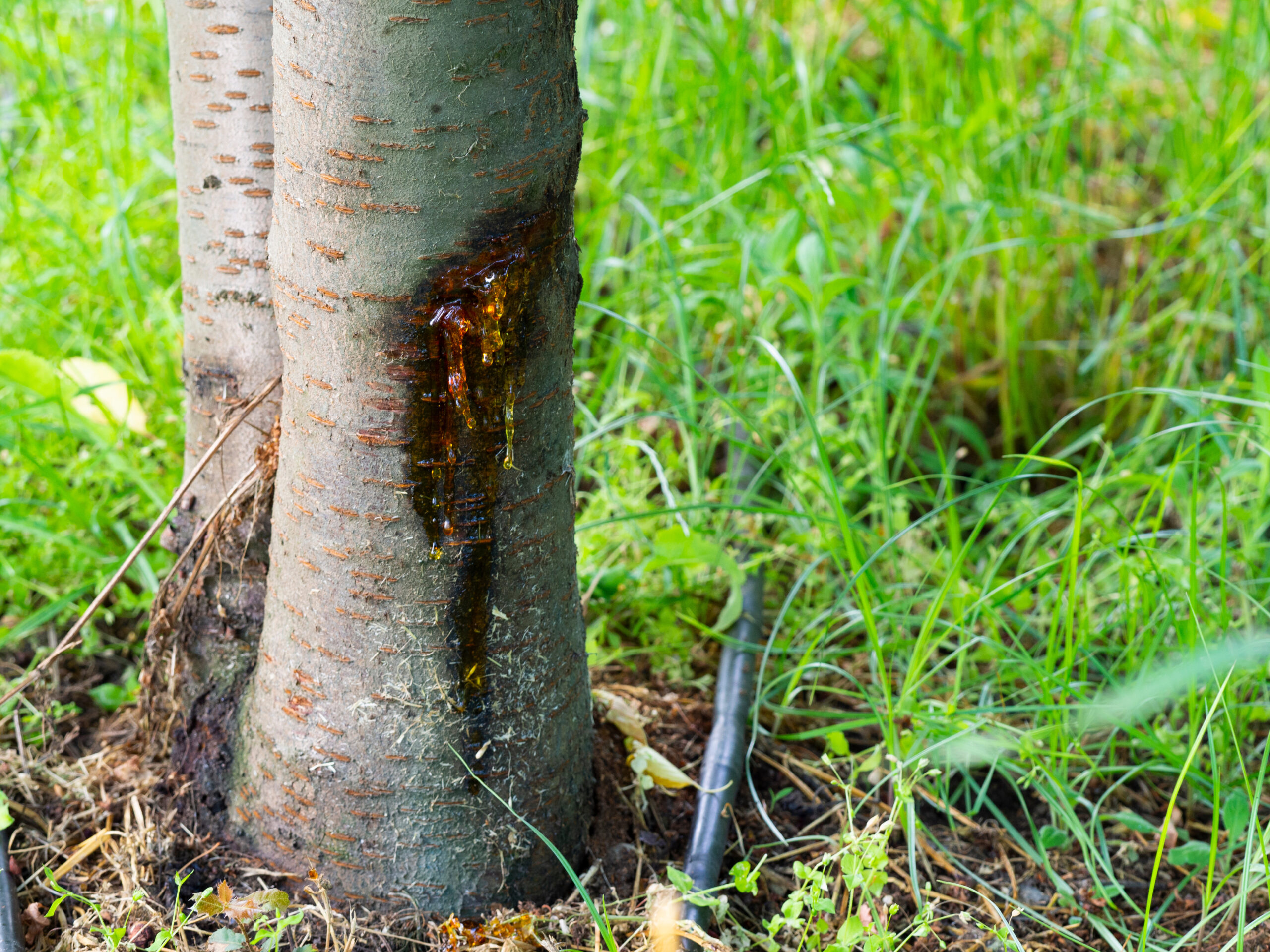
After storms, unqualified operators flood affected areas looking for quick business. They knock on doors claiming they’re “working in the neighborhood” and can give you a deal. These “storm chasers” often have no training, no insurance, and no accountability. They may not even be from the area. They take your money, do substandard work (or no work at all), and disappear before you realize the problem. Legitimate tree services don’t need to solicit door-to-door. They stay busy through reputation and referrals.
Pressure Tactics and Scare Techniques

Scammers use fear to generate business. They may claim your tree is about to fall, that it’s infested with deadly insects, or that you need immediate work to avoid disaster. Legitimate arborists explain concerns clearly and give you time to make informed decisions. They don’t pressure you to sign immediately or claim disaster is imminent unless genuine emergency conditions exist. If someone pressures you to decide immediately, that’s your signal to slow down and get other opinions.

Prices That Seem Too Good to Be True

Professional tree care requires expensive equipment, comprehensive insurance, skilled labor, and ongoing training. These costs are reflected in pricing. Operators offering dramatically lower prices than competitors are cutting corners somewhere. They may lack insurance (leaving you liable), use unqualified crews, or perform substandard work. The cheapest bid rarely delivers the best value. Focus on finding qualified professionals offering fair prices—not the lowest possible number.
Recommending Tree Topping

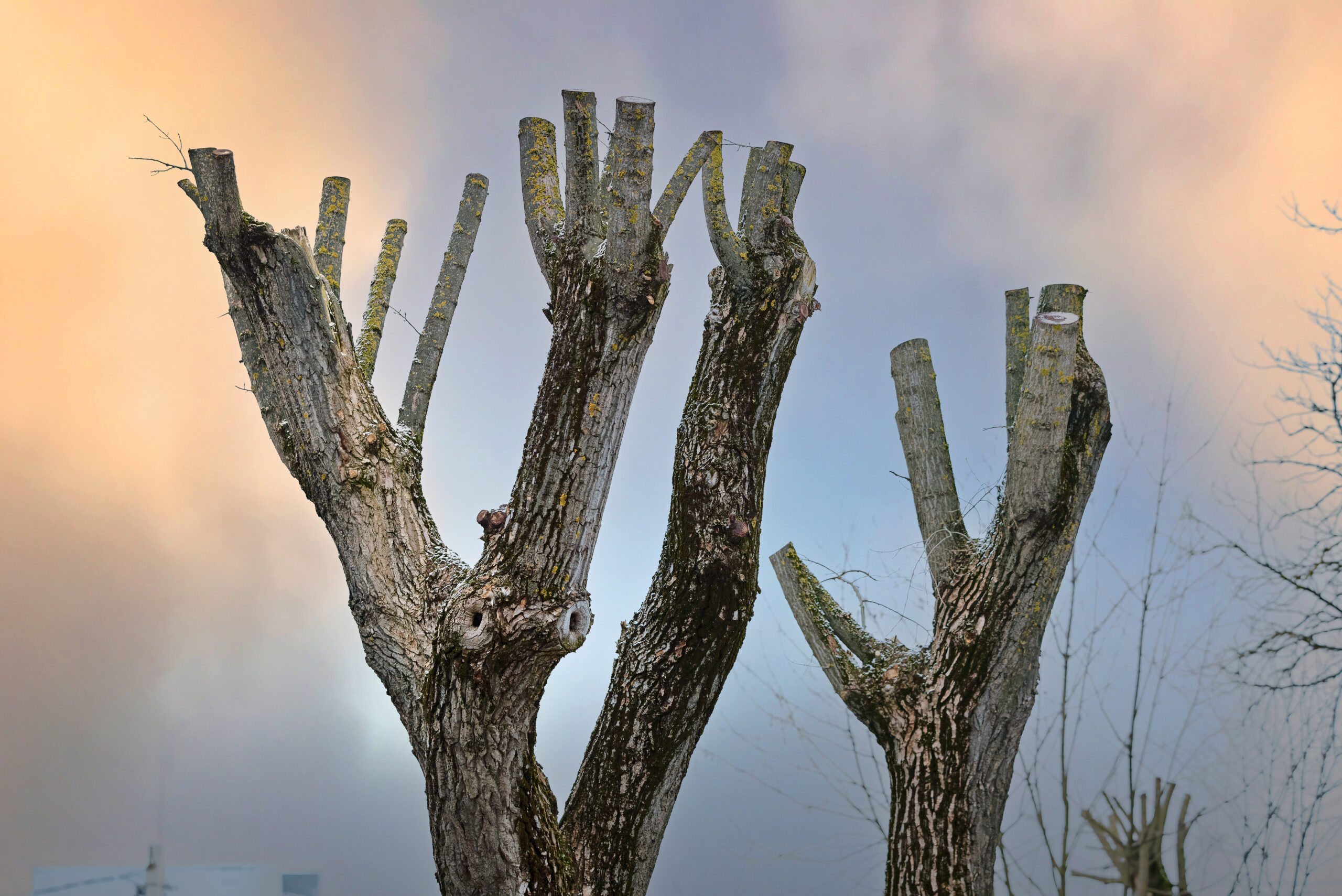
Topping—the drastic removal of large portions of a tree’s crown—is never acceptable tree care. It’s explicitly condemned by every professional arboricultural organization. Topping doesn’t make trees safer. It creates weak, poorly attached regrowth that fails more easily than the original branches. It exposes trees to decay, disease, and sun damage. It shortens tree lifespans and creates ongoing maintenance problems. Any company recommending topping lacks basic arboricultural knowledge. Find someone else.

No Written Estimate or Contract

Professional companies provide written estimates and contracts defining the work, price, timeline, and terms. This documentation protects both parties. Companies unwilling to put agreements in writing may be planning to change terms, add charges, or disappear with your deposit.

Unable to Provide Proof of Insurance

If a company can’t or won’t provide current insurance certificates, assume they’re uninsured. No excuse justifies this. Reputable companies maintain current coverage and provide verification routinely. Working with uninsured contractors exposes you to significant financial liability. Don’t take this risk.

What Good Tree Service Looks Like

Professional Assessment

Quality tree care begins with thorough assessment. A qualified arborist examines your trees, discusses your goals, and recommends appropriate actions based on tree health, structure, and site conditions.
They explain what they’re seeing, why they recommend specific work, and what outcomes to expect. They answer questions clearly and don’t rush you toward decisions.

Clear Communication

Professional companies communicate clearly throughout the process. They provide detailed written estimates. They explain timelines and what to expect on work days. They notify you of schedule changes. They address concerns promptly.

Safe Work Practices

Professional crews follow established safety protocols. They wear appropriate personal protective equipment. They establish work zones that protect people and property. They use proper rigging techniques for lowering branches. They never take shortcuts that compromise safety.

Proper Techniques

Professional pruning follows ANSI A300 standards. Cuts are made at proper locations—just outside the branch collar—to promote healing. Branches are removed for valid reasons, not arbitrary shaping. The work improves tree health and structure rather than causing damage.

Thorough Cleanup

Professional companies leave your property clean. They remove all debris, rake work areas, and leave your landscape better than they found it. They don’t leave stumps, branch piles, or sawdust for you to deal with.

Follow-Up

Quality companies stand behind their work. They follow up to ensure satisfaction. They address any concerns that arise after completion. They maintain relationships with customers rather than disappearing after payment.

Getting Multiple Estimates

For significant tree work, getting multiple estimates makes sense. This helps you understand fair pricing and compare approaches.
However, don’t simply choose the lowest price. Compare what’s being proposed. Different arborists may recommend different approaches based on their assessment of your trees.

Pay attention to how each company conducts their assessment.

Did they examine the tree carefully?

Did they explain their recommendations clearly?

Did they answer your questions thoroughly?

The best value combines fair pricing with qualified professionals who communicate well and prioritize your trees’ long-term health.

At Ohana Tree Care, we’ve built our reputation on the values this guide describes. We’re ISA-certified, fully insured, and committed to proper arboricultural practices. We take time to assess your trees thoroughly and explain our recommendations clearly. We provide detailed written estimates so you know exactly what you’re paying for. We show up when scheduled, perform work safely and professionally, and leave your property clean.

Ready to experience the difference? Contact us for a consultation:

Call or text: (360) 901-2950
Email: Ohanatreecarellc@gmail.com

We don’t pressure, we don’t top trees, and we don’t cut corners. We treat your property like it’s our own—because that’s what family does.

Your trees deserve qualified care. So do you.

Hiring a Tree Service FAQs

Do I need an ISA Certified Arborist for every tree job?

Not necessarily. Simple tasks like basic pruning or debris cleanup don’t require certification. But for significant pruning, hazard assessment, or tree health evaluation, certification indicates genuine expertise.

How much should tree work cost?

Costs vary widely based on tree size, location, complexity, and work required. Focus on fair pricing from qualified professionals rather than the lowest possible price. Get multiple estimates to understand reasonable ranges.

Should I pay a deposit?

Small deposits (10-30%) for large jobs are normal. Be cautious of companies demanding large upfront payments. Never pay in full before work is complete to your satisfaction.

What if a company damages my property?

If the company carries proper liability insurance, their coverage pays for repairs. This is why verifying insurance before work begins is essential. Without coverage, you may have to sue to recover damages—if you can find the contractor.

How do I verify credentials?

Verify ISA certification at treesaregood.org. Check business licensing through Washington State’s Department of Revenue and the City of Vancouver. Request insurance certificates directly from the company.

What’s the difference between a tree service and an arborist?

“Tree service” is a general term for companies performing tree work. An arborist is someone trained in tree care. ISA Certified Arborists have demonstrated knowledge through testing and commit to professional standards. Many tree services employ arborists; some don’t.

About Ohana Tree Care LLC

Ohana Tree Care LLC is a family-owned and operated tree care company serving Vancouver, WA and the surrounding metro area. With over 15 years of professional experience and ISA-certified arborists on staff, we specialize in hazardous tree assessment, emergency tree removal, pruning, and complete tree care services for residential, commercial, and HOA-managed properties. We treat every customer like family—because in Ohana, nobody gets left behind.​​​​​​​​​​​​​​​​